
 By Alexa Gavin
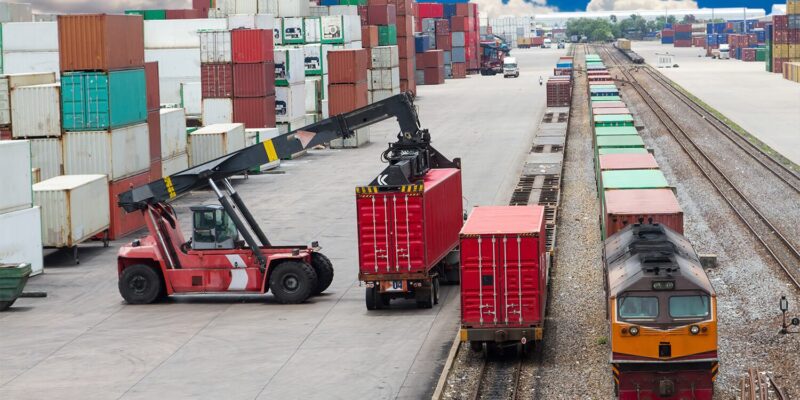
Intermodal freight transport refers to the use of more than one mode of transportation—such as rail, truck, and sea—for the movement of goods. This method of shipping offers businesses a variety of advantages, particularly in enhancing efficiency, reducing costs, and improving sustainability. As global supply chains grow more complex and demand for faster, more reliable delivery systems increases, intermodal transport has become an increasingly popular choice. This article explores the key benefits that intermodal freight transport provides to businesses, highlighting how it supports improved logistics operations.
1. Cost Efficiency
One of the most significant advantages of intermodal freight transport is its ability to reduce shipping costs. By leveraging different modes of transport—truck, rail, and sea—businesses can optimize their routes and methods of shipping to take advantage of the most cost-effective solutions for each leg of the journey. For example, while trucks may be the best option for short-distance or last-mile deliveries, rail transport offers greater cost savings for long-haul shipments. Combining different modes allows businesses to reduce fuel consumption and take advantage of economies of scale, which directly impacts their bottom line. With intermodal transport, businesses can minimize the overall cost of shipping while still maintaining the speed and reliability required for their operations.
2. Increased Flexibility
Flexibility is another key benefit of intermodal freight transport. Since goods can be transferred between multiple modes of transport, businesses are not reliant on a single method of delivery. This flexibility allows businesses to select the most appropriate transportation option based on their specific needs—whether it is speed, cost, or the nature of the goods being shipped. Additionally, intermodal transport provides more alternatives when dealing with potential disruptions, such as weather delays or logistical issues. If one mode of transport faces an unexpected setback, businesses can quickly adapt by shifting to another route or transportation method, ensuring that their deliveries continue to run smoothly without significant delays.
3. Improved Reliability and Security
Intermodal freight transport offers businesses increased reliability in the delivery of goods. The integration of various transportation modes ensures that there is a backup system in place if one mode encounters delays. Rail, for instance, is less susceptible to weather disruptions compared to road transport, making it a reliable choice for long-distance shipping. Furthermore, containers used in intermodal transport are designed to securely hold goods during transit, minimizing the risk of damage or theft. The use of standardized containers also facilitates smoother transfers between different modes of transport, reducing the chances of handling errors or delays during the transition between trucks, trains, or ships.
4. Environmental Sustainability
As businesses increasingly focus on their environmental footprint, intermodal freight transport offers a more sustainable alternative to traditional trucking methods. Rail and sea transport are often more energy-efficient compared to road transport, especially for long distances. By combining these modes, businesses can significantly reduce their carbon emissions and fuel consumption. Rail and sea freight produce fewer greenhouse gases per ton of cargo than trucks, making them more eco-friendly options. For companies committed to sustainability goals, intermodal freight provides a way to reduce the environmental impact of their supply chains while still ensuring the timely delivery of goods.
5. Faster Transit Times for Long-Distance Shipments
While intermodal transport may not always be the quickest option for short-distance shipments, it can significantly reduce transit times for long-haul shipments. When goods are transported by truck alone, businesses may face challenges like traffic congestion, road restrictions, or delays from border crossings. By incorporating rail and sea transport into the supply chain, businesses can bypass some of these challenges and ensure more consistent and reliable shipping schedules. Rail and sea transport, in particular, are not subject to the same road conditions, enabling smoother transit over long distances. As a result, intermodal freight is a powerful tool for businesses looking to improve transit speed for larger, long-distance shipments.
6. Reduced Congestion and Infrastructure Strain
As urban areas grow and road traffic increases, congestion becomes an ongoing challenge for businesses that rely on road transport. Intermodal freight, by shifting some of the shipping load to rail or sea, helps reduce the strain on road infrastructure and minimizes traffic-related delays. Railways, in particular, often operate outside heavily populated areas, reducing congestion and providing faster routes for cargo shipments. By using intermodal transport, businesses help alleviate road congestion, contribute to more efficient use of infrastructure, and improve the overall flow of goods across regions.
7. Access to Global Markets
Intermodal transport significantly enhances a business’s ability to access global markets. By combining sea freight with rail or road transport, businesses can extend their reach to international customers more efficiently. Ocean freight can transport goods across vast distances, while rail or truck transport can facilitate domestic or regional distribution upon arrival at ports. This combination opens up new opportunities for businesses to expand their operations into new markets and cater to a broader customer base without the limitations imposed by relying solely on one form of transport.
8. Streamlined Logistics and Simplified Supply Chains
Intermodal freight transport helps businesses simplify their logistics operations by integrating various transport modes into a single, seamless process. With standardized containers, businesses can easily manage their shipments, track their goods, and coordinate transfers between different modes of transport without the need for complicated logistics. Intermodal transport provides businesses with a streamlined supply chain that reduces the complexity of managing multiple contracts with different carriers and transport providers. Additionally, this simplified approach helps businesses reduce the potential for errors, streamline administrative processes, and achieve greater operational efficiency.
9. Enhanced Scalability
As businesses grow and their shipping needs evolve, the ability to scale operations is critical. Intermodal transport provides businesses with the flexibility to scale their shipping activities as needed. Whether it’s adding more freight containers, increasing the frequency of shipments, or adapting to increased demand during peak seasons, intermodal freight allows businesses to easily adjust their operations to accommodate growth. This scalability makes it easier for companies to expand their reach and manage fluctuating volumes, ensuring that they can meet customer expectations while avoiding logistical bottlenecks.
10. Competitive Advantage
Finally, businesses that adopt intermodal freight transport gain a competitive advantage in the market. The combination of cost savings, reliability, sustainability, and efficiency helps businesses deliver products faster and at a lower cost, allowing them to offer competitive pricing or enhanced customer service. By optimizing their supply chains with intermodal transport, businesses can improve their operational efficiency, pass on savings to customers, and position themselves as more reliable and eco-conscious players in their respective industries.
Intermodal freight transport offers businesses a wide array of benefits, from cost savings and enhanced flexibility to improved sustainability and global market access. By leveraging the strengths of multiple transportation modes, businesses can streamline their logistics operations, reduce delays, and improve the overall efficiency of their supply chains. As the demands of modern commerce continue to evolve, intermodal transport will remain an essential component in helping businesses meet the challenges of a globalized, fast-paced market.










