
 By Alexa Gavin
Managing a commercial de-fit can seem like a daunting task, especially when trying to meet deadlines, adhere to building requirements, and minimise disruptions. However, with the right plan and understanding of the process, you can turn this challenging responsibility into a seamless experience.
If you’re planning an office defit in Melbourne, you’re likely looking for efficient ways to ensure the process is completed professionally and in line with local regulations. Below, we’ve outlined practical steps to help you streamline the de-fit process for a smooth transition.
Understanding a Commercial De-Fit
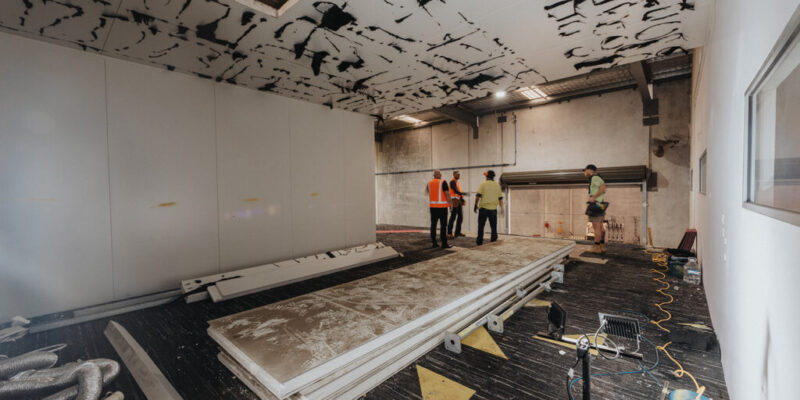
A commercial de-fit involves restoring a leased or rented commercial property to its original condition. This process is often required by landlords and is typically outlined in the lease agreement. It can include tasks such as removing fixtures, repainting walls, floor repairs or even structural work. The ultimate goal is to return the space to its pre-lease state to avoid penalties or disputes.
How to Streamline the De-Fit Process
Make the transition hassle-free by adopting a structured and thoughtful approach. Here are some steps to manage a commercial de-fit effectively.
- Create a Detailed Checklist
Start by listing all the tasks required to restore the property to its original state. This should be based on your lease agreement and might include the removal of partitions, signage, electrical systems, or kitchens. A clear and comprehensive checklist helps ensure nothing is overlooked.
- Understand Local Regulations
Commercial de-fits in Australia must comply with local building codes and council regulations. For instance, in Melbourne, permits could be required for certain types of work during an office de-fit, particularly if there are significant structural changes involved. Failure to adhere to these can lead to fines or legal complications, so seeking professional guidance is recommended.
- Plan for Waste Disposal
De-fits inevitably generate waste, including construction materials, old fixtures, and potentially hazardous substances. Consider eco-friendly disposal methods and recycling wherever possible. Many Australian states have stringent regulations around waste disposal, so research approved methods and engage licensed contractors to ensure compliance.
- Engage Skilled Tradespeople
The quality of tradespeople involved in your de-fit will play a big role in how smoothly the process runs. Look for tradespeople with experience in office or commercial work. This will ensure they are familiar with the standards required and can work efficiently to meet deadlines.
- Schedule the Work Strategically
Plan the de-fit so it causes minimal disruption to others in the building or adjacent areas. For example, certain building regulations may restrict work to specific hours. Scheduling work around these requirements can avoid unnecessary complications and ensure the process runs smoothly.
- Conduct a Final Evaluation
Before handing the property back to the landlord, carry out a thorough inspection. Ensure all required tasks have been completed and the property matches the expectations outlined in your lease agreement. This avoids delays with bond reimbursements or potential penalties.
The Australian Context
De-fit processes across Australia require careful planning and adherence to local rules. Cities like Melbourne may have varying guidelines compared to other states, so ensure you’re working within the framework set for your area. Opting for professional services that are familiar with the Australian market can also provide peace of mind.
Streamlining a commercial de-fit takes planning, attention to detail, and a clear understanding of local requirements. With a structured approach, you can ensure a smooth and hassle-free transition, saving time and avoiding unnecessary costs. Whether it’s an office defit in Melbourne or any other Australian city, taking these steps will help simplify the process and ensure a successful outcome.










