
 By Alexa Gavin
Enhancing product durability is a priority across industries, ensuring that manufactured goods perform reliably over time, even under demanding conditions. This article explores five essential techniques that industries employ to extend product life, from strengthening materials to innovative surface treatments.
- Material Selection and Engineering
Industrial designers consider each material’s specific properties, such as strength, flexibility, and resistance to environmental factors, to suit the intended use of the product. For example, using metals with higher corrosion resistance for products exposed to moisture or chemicals can significantly prolong their life.
In addition to selecting durable materials, industries also use advanced engineering techniques to manipulate material properties. Composite materials and alloys are often used to combine the strengths of different substances, creating products that withstand wear, stress, and corrosion. By choosing engineered materials strategically, industries can ensure durability is built in from the start.
- Heat Treatment for Material Strengthening
Heat treatment is a popular method for improving material durability, as it enhances strength, flexibility, and resistance to environmental changes. Through processes such as annealing, hardening, and tempering, metals and other materials can gain the necessary attributes for long-lasting performance. This technique is particularly valuable in industries where products need to withstand extreme pressures and temperatures.
A heat treatment oven is typically used to precisely control the temperature and environment in which the materials are processed. The controlled heating and cooling of materials within a heat treatment oven allow for greater consistency in the results, ensuring products are uniformly strengthened. This precision not only enhances durability but also reduces the likelihood of defects, leading to higher quality and longer-lasting products.
- Protective Coatings and Surface Treatments
Applying protective coatings and surface treatments can significantly extend the life of industrial products, especially those exposed to harsh conditions. Coatings can prevent corrosion, reduce wear, and protect against environmental factors such as UV exposure and chemical spills. Techniques like galvanisation, anodising, and powder coating are commonly used to add this extra layer of protection.
Surface treatments often enhance more than just durability. They also improve the product’s aesthetics and add functional benefits, such as reducing friction or enhancing insulation. Protective coatings have the added advantage of being customisable to match the specific needs of each product, making them a flexible solution in various industrial applications.
- Quality Control and Testing Protocols
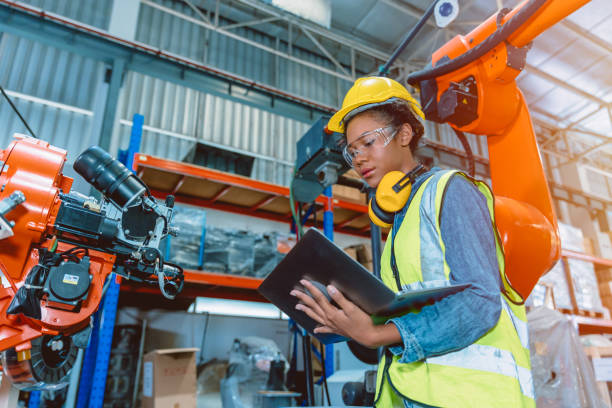
Rigorous quality control is essential to ensure products meet durability standards. Industrial testing techniques, such as stress testing, fatigue analysis, and environmental testing, help identify any potential weaknesses in a product before it reaches the market. Through these tests, manufacturers can simulate conditions that a product will encounter in real-world applications, ensuring it can endure them effectively.
By catching issues early, quality control minimises costly repairs or replacements, helping industries maintain reliable and durable products. Quality testing is a critical step that ensures each product adheres to strict standards, contributing to its overall longevity and reliability.
- Precision in Manufacturing Processes
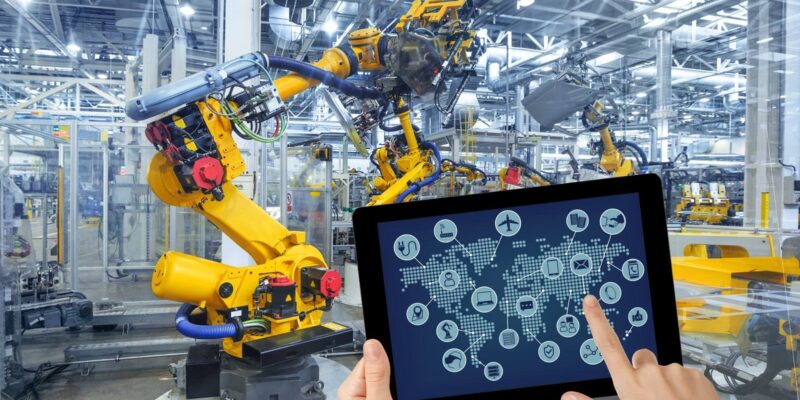
Precise manufacturing techniques play a crucial role in producing durable products. Methods such as CNC machining, 3D printing, and automated assembly lines allow for exacting standards, ensuring that each product component is manufactured with consistency and accuracy. By reducing the variability in production, these techniques contribute to a product’s structural integrity and overall durability.
Automation in manufacturing also minimises human error, enhancing consistency and quality. In high-volume production, even slight inconsistencies can lead to wear and tear over time, impacting durability. Precision in the manufacturing process eliminates these concerns, creating products that are not only functional but built to last.
By implementing these techniques, industries can produce reliable, long-lasting products that meet high durability standards. Each approach focuses on optimising the structural integrity and resilience of materials, leading to products that stand the test of time in demanding environments.










